Where to Find Your Brand Story
Learn How to Captivate Your Customers With a Bewitching Brand Story In March 2019, I sniffed into an old claustrophobic bookstore in Queenscliff, Australia, like a mouse searching for cheese.…
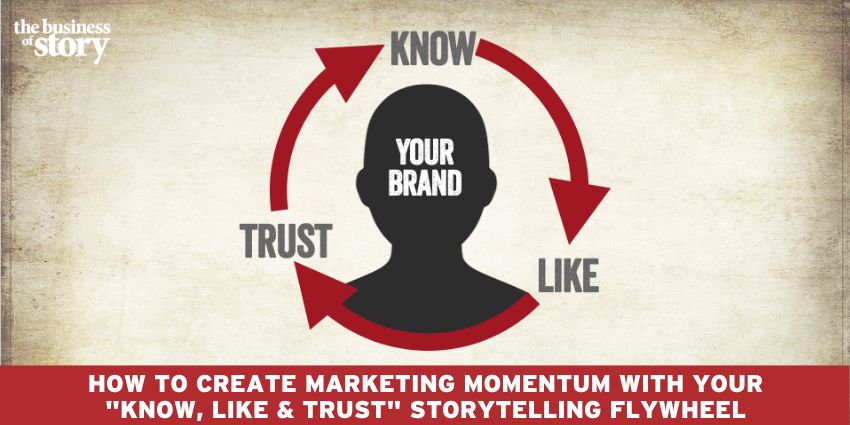
How to Create Marketing Momentum With Your “Know, Like & Trust” Storytelling Flywheel
You can listen to this article here: The Easiest and Most Effective Three-Step Story Marketing Strategy Ever In 2008, Clinica Adelante, a 33-year-old community health center in Phoenix, Arizona, nearly…
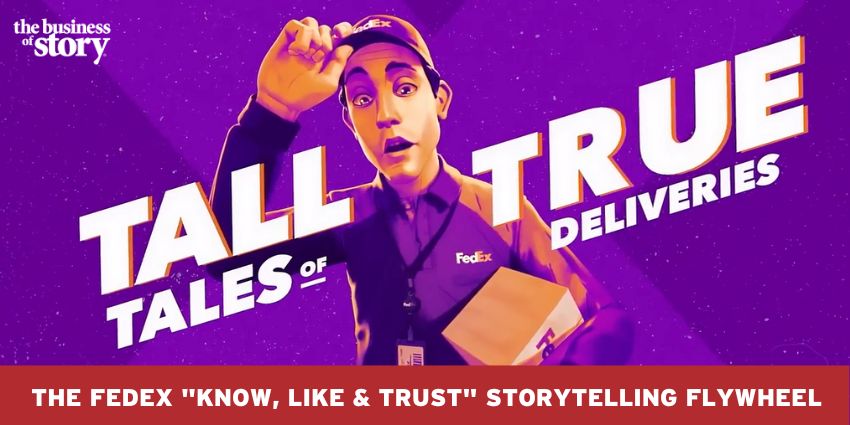
The FedEx “Know, Like & Trust” Storytelling Flywheel
How to Build Marketing Momentum With Your Storytelling Flywheel My mom, Pat, turns 99 years young today. She is doing amazingly well and is as sharp as ever. Don’t even…

Creating Brand Distinction in a Commoditized Industry With Your Purpose-Driven Brand Story Strategy
How Willmeng Cemented its Position in Commercial Construction as The Genuine Contractor In 2017, we helped Phoenix-based commercial contractor Willmeng define its brand story to reveal its purpose. They…
Grow Your Business Storytelling Skills by Listening to Park’s Book: Brand Bewitchery
You are interested in growing your leadership and business storytelling skills because you know how powerful stories are to motivate people to action… If you read Park Howell’s book Brand…

Storytelling: The Jiu-Jitsu of Leadership Communications
Harness these 32 Principles of Jiu-Jitsu to Win With Your Business Storytelling I not only just read Rener Gracie’s new book, The 32 Principles: Harness the Power of Jiu-jitsu to…
A Poetic Example of an “Inverted ABT” to Power Your Business Storytelling
Leveraging the Three Forces of Story of Agreement, Contradiction and Consequence One of my favorite things about teaching business, sales and marketing professionals about the ABT (And, But, Therefore) agile…
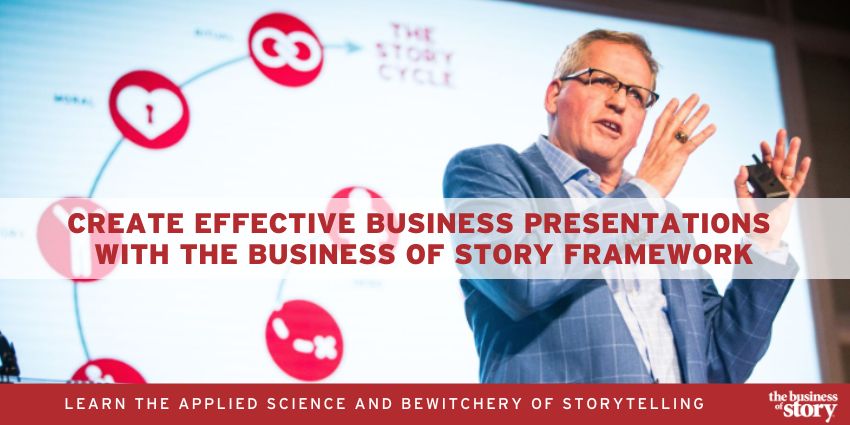
Create Effective Business Presentations With the Business of Story Framework
You Have One Job With Your Sales & Marketing Presentations: Move Your Audience to Action Quickly My storytelling career really began in 2006 when I studied the craft in earnest.…
How to Spot ABTs in the Wild to Strengthen Your Communications
Three years ago, I asked my 95-year-old mother if she had ever noticed the arrow in the FedEx logo. “What are you talking about,” she asked. I grabbed a FedEx…
How to Build a Habit of Consistently Creating More Powerful Messages With the ABT
Growing as a confident and influential communicator takes continuous practice to build your storytelling skills. But our brains are biologically driven to be lazy. Therefore, I highly recommend James Clear’s…
6 Soul-sucking Business Communications Problems and How to Overcome Them
How to use one storytelling framework to overcome common miscommunication challenges Imagine that you have a growing company and you are particularly pleased with Sarah who joined your operations team…


